

Chinese Conversation · Level 15
90 words
Search Chinese words by characters, pinyin or English meaning.
Dictionaries
Quick links
Browse
 MotiSpiOfficial conversation app

Chinese word
Pinyinshí chā
我们打电话时要考虑时差。wǒ men dǎ diàn huà shí yào kǎo lǜ shí chā
We need to take the time difference into account when we call.
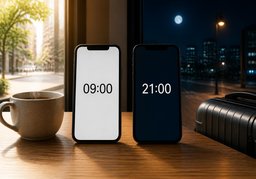
出差回来后,他有严重的时差反应。chū chāi huí lái hòu tā yǒu yán zhòng de shí chā fǎn yìng
After returning from a business trip, he had severe jet lag.
The number of hours by which one place's local time differs from another's, or by which a traveler's body clock is out of step.
倒时差dào shí chā
recover from jet lag
时差反应shí chā fǎn yìng
jet lag
调整时差tiáo zhěng shí chā
adjust to the time difference
时间差shí jiān chā: The amount of time between two moments or between times in different places.
时区shí qū: A region grouping that uses the same standard clock time.
时差反应shí chā fǎn yìng: The sleep and body-clock disruption caused by crossing time zones.
指两个时区或两个地点的当地时间之间的小时差;在口语中也可扩展为因跨时区旅行而产生的生理时钟错乱(即“时差反应”)。zhǐ liǎng gè shí qū huò liǎng gè dì diǎn dí dàng dì shí jiān zhī jiān de xiǎo shí chā zài kóu yǔ zhōng yě kě kuò zhǎn wèi yīn kuà shí qū lǚ xíng ér chǎn shēng de shēng lǐ shí zhōng cuò luàn jí shí chā fǎn yìng
时 (shí, "time") + 差 (chà, "difference") gives the word its basic sense of a difference in clock time, which also supports its travel-related sense of a body clock out of sync.