

Chinese Conversation · Level 39
90 words
Search Chinese words by characters, pinyin or English meaning.
Dictionaries
Quick links
Browse
 MotiSpiOfficial conversation app

Chinese word
Pinyinwú chǐ
无耻的人连道歉都不会。wú chǐ de rén lián dào qiàn dōu bú huì
Shameless people do not even apologize.
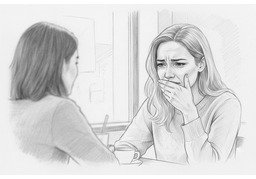
他当众抢别人的成果,真是太无耻了。tā dāng zhòng qiǎng bié rén de chéng guǒ zhēn shì tài wú chǐ le
He took credit for someone else's work in public and was utterly shameless.
Shame no longer checks a person's behavior, leaving the person boldly unconcerned about offending others.
太无耻了tài wú chǐ le
utterly shameless
无耻的嘴脸wú chǐ de zuí liǎn
shameless demeanor
不要脸bú yào liǎn: Colloquially acting rudely without any sense of shame.
脸皮厚liǎn pí hòu: Having little concern for shame and continuing to act pushy.
厚颜无耻hòu yán wú chǐ: Being extremely brazen, with a thick-skinned disregard for shame.
不知羞耻bù zhī xiū chǐ: Failing to recognize one's own behavior as shameful and feeling no shame about it.
形容没有羞耻心、行为厚颜无耻,令人反感。xíng róng méi yǒu xiū chǐ xīn xíng wéi hòu yán wú chǐ lìng rén fán gǎn
无耻 (wúchǐ, "shameless") joins 无 (wú, "without") with 耻 (chǐ, "shame"), presenting a person who has lost the normal feeling that should restrain offensive behavior.