

Chinese Conversation · Level 50
90 words
Search Chinese words by characters, pinyin or English meaning.
Dictionaries
Quick links
Browse
 MotiSpiOfficial conversation app

Chinese word
Pinyinwú hé
这个葡萄是无核的,可以直接吃。zhè ge pú táo shì wú hé de ké yǐ zhí jiē chī
This grape is seedless and can be eaten as is.
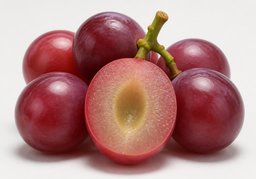
超市里有很多无核的葡萄,买起来很方便。chāo shì lǐ yǒu hěn duō wú hé de pú táo mǎi qǐ lái hěn fāng biàn
The supermarket has lots of seedless grapes, so they are easy to buy.
Fruit or food with no hard, noticeable center or obvious seeds to interrupt eating.
无核葡萄wú hé pú táo
seedless grape
无核水果wú hé shuí guǒ
seedless fruit
无核品种wú hé pín zhǒng
seedless variety
无籽wú zǐ: Describes fruit or food that has no seeds that can be seen.
去核的qù hé de: Describes fruit or food prepared by taking out its hard pit.
去籽的qù zǐ de: Describes fruit or food prepared by taking out its seeds.
用于描述水果或食品缺少可见果核或明显种子的状态,作为形容词在口语和商品标签中常见。yòng yú miáo shù shuí guǒ huò shí pǐn quē shǎo kě jiàn guǒ hé huò míng xiǎn zhǒng zi de zhuàng tài zuò wéi xíng róng cí zài kóu yǔ hé shāng pǐn biāo qiān zhōng cháng jiàn
无 (wú, "without") + 核 (hé, "pit or seed") literally describes food without a visible pit or noticeable seed.