

HSK · Level 71
75 words
Search Chinese words by characters, pinyin or English meaning.
Dictionaries
Quick links
Browse
 MotiSpiOfficial conversation app

Chinese word
Pinyinwú jiā kě guī
街上无家可归的人很多。jiē shàng wú jiā kě guī de rén hěn duō
There are many homeless people on the street.
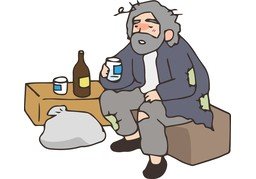
政府应当提供住房,减少无家可归的现象。zhèng fǔ yīng dāng tí gōng zhù fáng jián shǎo wú jiā kě guī de xiàn xiàng
The government should provide housing to reduce homelessness.
A person or life without a stable home base to return to.
无家可归的儿童wú jiā kě guī de ér tóng
homeless children
帮助无家可归者bāng zhù wú jiā kě guī zhě
help homeless people
无家可归的现象wú jiā kě guī de xiàn xiàng
the phenomenon of homelessness
无家可居wú jiā kě jū: Having no suitable home or other place where a person can live.
表示没有固定住所或无法回到家的状态或人。biǎo shì méi yǒu gù dìng zhù suǒ huò wú fǎ huí dào jiā de zhuàng tài huò rén
无 (wú, "without") + 家 (jiā, "home") + 可 (kě, "can") + 归 (guī, "return") forms the idea of having no home to return to.