

HSK · Level 34
135 words
Search Chinese words by characters, pinyin or English meaning.
Dictionaries
Quick links
Browse
 MotiSpiOfficial conversation app

Chinese word
Pinyinzhěng tiān
我整天都很忙。wǒ zhěng tiān dōu hěn máng
I am very busy all day long.
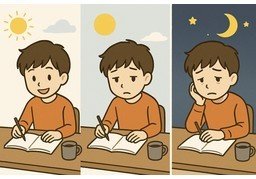
他整天没休息,终于生病了。tā zhěng tiān méi xiū xī zhōng yú shēng bìng le
He did not rest all day and finally got sick.
The entire day forms one long span occupied by an activity or state, whether it continues without a break or keeps recurring.
整天没空zhěng tiān méi kòng
have no free time all day
整天学习zhěng tiān xué xí
study all day
一直yì zhí: Shows that an activity or state keeps going without a break for a period of time.
总是zǒng shì: Shows that an action or behavior happens repeatedly as a usual pattern.
经常jīng cháng: Shows that an action or event occurs frequently.
一天到晚yì tiān dào wǎn: Shows that an activity or state continues from morning to night for almost the entire day.
表示某人在一天之内整段时间里反复或持续地做某事,常含抱怨或强调的语气。biǎo shì mǒu rén zài yì tiān zhī nèi zhěng duàn shí jiān lǐ fǎn fù huò chí xù dì zuò mǒu shì cháng hán bào yuàn huò qiáng diào de yǔ qì
整天 (zhěngtiān, "all day") combines 整 (zhěng, "whole") + 天 (tiān, "day"), turning an entire day into an adverbial time span.