

HSK · Level 4
132 words
Search Chinese words by characters, pinyin or English meaning.
Dictionaries
Quick links
Browse
 MotiSpiOfficial conversation app

Chinese word
Pinyinzhěng gè
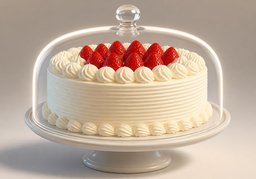
他把蛋糕整个吃掉了。tā bǎ dàn gāo zhěng gè chī diào le
He ate the entire cake.
我把房间整个收拾好了。wǒ bǎ fáng jiān zhěng gè shōu shí hǎo le
I tidied up the entire room.
A thing held together as one full, undivided whole.
把蛋糕整个吃完bǎ dàn gāo zhěng gè chī wán
eat the entire cake
把房间整个收拾好bǎ fáng jiān zhěng gè shōu shí hǎo
tidy up the entire room
把事情整个忘记了bǎ shì qíng zhěng gè wàng jì le
forget the whole thing
全部quán bù: Including every item or part in a set, with nothing left out.
都dōu: Applying to every member within a stated group or range.
表示把某物当作一个整体来看待,或动作完全作用于该整体,包含完整无遗漏的含义,可置于名词前或动词前以强调整体性。biǎo shì bǎ mǒu wù dàng zuò yí gè zhéng tǐ lái kàn dài huò dòng zuò wán quán zuò yòng yú gāi zhéng tǐ bāo hán wán zhěng wú yí lòu de hán yì kě zhì yú míng cí qián huò dòng cí qián yǐ qiáng diào zhéng tǐ xìng
整个 (zhěnggè, "entire") joins 整 (zhěng, "complete") to 个 (gè, "individual unit"), so an individual unit is viewed as complete rather than as separate parts.