

HSK · Level 24
135 words
Search Chinese words by characters, pinyin or English meaning.
Dictionaries
Quick links
Browse
 MotiSpiOfficial conversation app

Chinese word
Pinyingù xiāng
春节我回了故乡。chūn jié wǒ huí le gù xiāng
I went back to my hometown for Spring Festival.
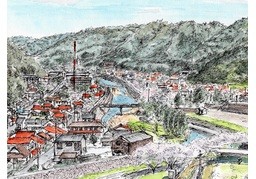
很多老人选择在故乡生活。hěn duō lǎo rén xuǎn zé zài gù xiāng shēng huó
Many elderly people choose to live in their hometowns.
An early home that stays connected to a person's roots, even after life moves elsewhere.
在故乡生活zài gù xiāng shēng huó
live in one's hometown
离开故乡lí kāi gù xiāng
leave one's hometown
怀念故乡huái niàn gù xiāng
miss one's hometown
家乡jiā xiāng: The town or village where a person grew up, in everyday speech.
老家lǎo jiā: A parent's family home or an ancestral place, usually mentioned in casual speech.
出生地chū shēng dì: The place where a person was born, stated as a simple fact.
指一个人出生或成长的地方,常带有怀念和留恋的感情。zhǐ yí gè rén chū shēng huò chéng zhǎng de dì fāng cháng dài yǒu huái niàn hé liú liàn de gǎn qíng
故乡 (gùxiāng, "hometown") is formed from 故 (gù, "former") + 乡 (xiāng, "native place"), linking a place of earlier life with the idea of a native home.