

Chinese Conversation · Level 17
90 words
Search Chinese words by characters, pinyin or English meaning.
Dictionaries
Quick links
Browse
 MotiSpiOfficial conversation app

Chinese word
Pinyinfàng jià
学校明天开始放假了。xué xiào míng tiān kāi shǐ fàng jià le
The school starts its vacation tomorrow.
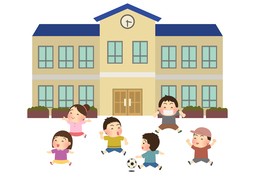
我下周放假,打算回家。wǒ xià zhōu fàng jià dǎ suàn huí jiā
I will be on vacation next week and plan to go home.
A set time when normal work or lessons are put aside and people are free.
放假了fàng jià le
be on vacation
明天放假míng tiān fàng jià
have a day off tomorrow
放假一天fàng jià yì tiān
take a day off
休息xiū xī: Resting the body or mind for a short time.
放学fàng xué: Ending school lessons for the day and going home.
使人进入假期,指在节日或安排的时间内停止劳动或教学活动。shǐ rén jìn rù jià qī zhǐ zài jié rì huò ān pái de shí jiān nèi tíng zhǐ láo dòng huò jiào xué huó dòng
The compound 放 (fàng, "let go") + 假 (jià, "leave") names the act of letting people enter an official period away from work or study.