

Chinese Conversation · Level 67
89 words
Search Chinese words by characters, pinyin or English meaning.
Dictionaries
Quick links
Browse
 MotiSpiOfficial conversation app

Chinese word
Pinyinsā yě
他在课堂上一直撒野,老师很生气。tā zài kè táng shàng yì zhí sā yě lǎo shī hěn shēng qì
He keeps acting up in class, and the teacher is very angry.
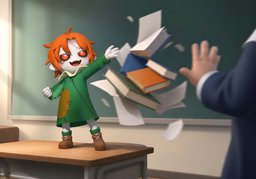
下课后他们在操场上撒野,玩得很开心。xià kè hòu tā men zài cāo chǎng shàng sā yě wán de hěn kāi xīn
After class, they acted up on the playground and had a great time.
Untamed behavior spills into the surroundings and disturbs the people nearby.
在课堂上撒野zài kè táng shàng sā yě
act up in class
在公园撒野zài gōng yuán sā yě
act up in the park
到处撒野dào chù sā yě
act up everywhere
捣乱dǎo luàn: Deliberately interfere with an activity or disturb order so that things cannot proceed normally.
胡闹hú nào: Fool around in a noisy, disorderly way that annoys people nearby.
闹腾nào téng: Make a loud commotion that leaves a place noisy and unsettled.
闹事nào shì: Cause trouble or a public disturbance that creates problems in a public place.
指顽皮或放肆地闹腾,常使周围人感到不快或混乱,多用于口语。zhǐ wán pí huò fàng sì dì nào téng cháng shǐ zhōu wéi rén gǎn dào bú kuài huò hùn luàn duō yòng yú kóu yǔ
撒野 (sāyě, "act wild") combines 撒 (sā, "let loose") and 野 (yě, "wild"), presenting unruly behavior as wildness let loose.