

HSK · Level 41
120 words
Search Chinese words by characters, pinyin or English meaning.
Dictionaries
Quick links
Browse
 MotiSpiOfficial conversation app

Chinese word
Pinyinmó cā
最近他们之间有些摩擦,需要沟通。zuì jìn tā men zhī jiān yǒu xiē mó cā xū yào gōu tōng
There has been some friction between them recently, and they need to talk.
文化摩擦常在交流中出现,需要相互理解。wén huà mó cā cháng zài jiāo liú zhōng chū xiàn xū yào xiāng hù lí jiě
Cultural friction often occurs during interaction and requires mutual understanding.
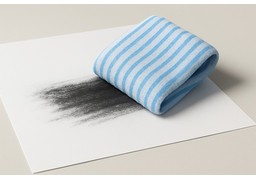
Rubbing that prevents smooth movement, literally between objects and figuratively between people or groups.
国际摩擦guó jì mó cā
international friction
文化摩擦wén huà mó cā
cultural friction
人际摩擦rén jì mó cā
interpersonal friction
冲突chōng tū: A fierce clash caused by opposing positions or interests.
矛盾máo dùn: A conflict in which two ideas, claims, or facts cannot both be accepted.
争执zhēng zhí: A quarrel caused by people holding different opinions.
误会wù huì: A wrong idea about another person's words, actions, or intentions.
指人与人或团体之间因意见、利益或性格差异而产生的不和、冲突或紧张关系,也可用于物体接触时产生的阻力。zhǐ rén yǔ rén huò tuán tǐ zhī jiān yīn yì jiàn lì yì huò xìng gé chā yì ér chǎn shēng de bù hé chōng tū huò jǐn zhāng guān xì yě kě yòng yú wù tǐ jiē chù shí chǎn shēng de zǔ lì
The compound 摩擦 (mócā, "friction") joins 摩 (mó, "rub") with 擦 (cā, "wipe or rub"), and its physical sense develops into the idea of social resistance.