

Chinese Conversation · Level 33
90 words
Search Chinese words by characters, pinyin or English meaning.
Dictionaries
Quick links
Browse
 MotiSpiOfficial conversation app

Chinese word
Pinyinshuāi mén
她生气地摔门走了。tā shēng qì dì shuāi mén zǒu le
She angrily slammed the door and left.
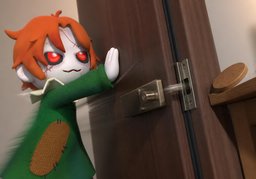
孩子被责备后,生气地摔门回了房间。hái zi bèi zé bèi hòu shēng qì dì shuāi mén huí le fáng jiān
After being scolded, the child angrily slammed the door and returned to their room.
A door becomes a loud punctuation mark for a person's upset feelings.
摔门回房间shuāi mén huí fáng jiān
slam the door and go back to one's room
关门guān mén: Shut a door so people cannot enter or leave a room or building.
甩门shuǎi mén: Shut a door hard when leaving, usually as a sign of anger.
用力关上门,使门发出猛响,通常表示愤怒、不满或失望的情绪行为。yòng lì guān shàng mén shǐ mén fā chū měng xiǎng tōng cháng biǎo shì fèn nù bù mǎn huò shī wàng de qíng xù xíng wéi
摔门 (shuāimén, "to slam the door") joins 摔 (shuāi, "to fling down") and 门 (mén, "door"), portraying a door treated with the force of something thrown down.