

Chinese Conversation · Level 61
90 words
Search Chinese words by characters, pinyin or English meaning.
Dictionaries
Quick links
Browse
 MotiSpiOfficial conversation app

Chinese word
Pinyinchā duì
插队很不礼貌,请你排队。chā duì hěn bù lǐ mào qǐng nǐ pái duì
Cutting in line is very rude. Please wait in line.
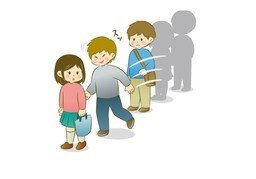
他因为在学校食堂插队被老师批评。tā yīn wèi zài xué xiào shí táng chā duì bèi lǎo shī pī píng
He was criticized by his teacher for cutting in line in the school cafeteria.
A person moves into the front part of an existing queue and takes a place that belongs to someone waiting.
插队了chā duì le
cut in line
不要插队bú yào chā duì
don't cut in line
在队伍里插队zài duì wǔ lǐ chā duì
cut into the line
加塞jiā sāi: Squeezing into a queue to take a place before the proper turn.
抢先qiǎng xiān: Acting before others to gain an earlier turn or seize an opportunity.
在队伍或人群中插入到前面,抢占别人本应轮到的位置。zài duì wǔ huò rén qún zhōng chā rù dào qián miàn qiǎng zhàn bié rén běn yīng lún dào de wèi zhì
插 (chā, "insert") + 队 (duì, "queue") forms a verb that pictures someone inserting into a queue instead of joining its end.