

Chinese Conversation · Level 54
90 words
Search Chinese words by characters, pinyin or English meaning.
Dictionaries
Quick links
Browse
 MotiSpiOfficial conversation app

Chinese word
Pinyinchā zuǐ
不要在别人讲话时插嘴。bú yào zài bié rén jiǎng huà shí chā zuǐ
Don't interrupt when someone else is speaking.
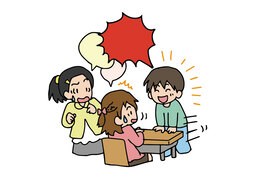
他无意中在讨论时插嘴,马上道歉并让别人继续。tā wú yì zhōng zài tǎo lùn shí chā zuǐ mǎ shàng dào qiàn bìng ràng bié rén jì xù
He accidentally interrupted during the discussion, apologized at once, and let the others continue.
Words pushed into another person's speaking turn, breaking the flow of the conversation.
无意中插嘴wú yì zhōng chā zuǐ
interrupt without meaning to
强行插嘴qiáng xíng chā zuǐ
force one's way into a conversation
打断dǎ duàn: Interrupt someone's speech or action so that it stops before it is finished.
插话chā huà: Briefly add one's own words or opinion while someone else is speaking.
打岔dǎ chà: Break into a conversation with a different topic or side remark that shifts its direction.
插言chā yán: Briefly add words to a conversation or situation to express an opinion.
在别人说话的时候把自己的话插入,使对方的话被打断或中断发言的动作。zài bié rén shuō huà de shí hòu bǎ zì jǐ de huà chā rù shǐ duì fāng de huà bèi dǎ duàn huò zhōng duàn fā yán de dòng zuò
插嘴 (chāzuǐ, "to cut into someone's speech") combines 插 (chā, "insert") + 嘴 (zuǐ, "mouth"), picturing words being pushed into another person's speaking turn.