

HSK · Level 119
45 words
Search Chinese words by characters, pinyin or English meaning.
Dictionaries
Quick links
Browse
 MotiSpiOfficial conversation app

Chinese word
Pinyinbāi
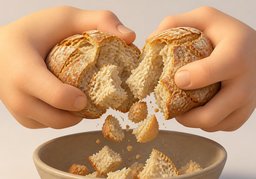
她把面包掰成小块给孩子吃。tā bǎ miàn bāo bāi chéng xiǎo kuài gěi hái zi chī
She tears the bread into small pieces for the child to eat.
他把坚果掰开,取出里面的果仁吃了。tā bǎ jiān guǒ bāi kāi qǔ chū lǐ miàn de guǒ rén chī le
He cracked open the nut, took out the kernel inside, and ate it.
Hands pull one object apart into smaller pieces or separate parts.
掰成小块儿bāi chéng xiǎo kuàir
tear into small pieces
掰开核桃bāi kāi hé táo
crack open a walnut
掰手腕bāi shǒu wàn
arm wrestle
撕sī: Tears something into smaller pieces with the hands or fingernails.
折zhé: Breaks something apart by bending it until it snaps.
拆chāi: Takes apart a package or assembled object by removing its wrapping or parts.
割gē: Cuts something into two parts with a knife or other tool.
用手把东西掰成小块或若干部分的动作或结果。yòng shóu bǎ dōng xī bāi chéng xiǎo kuài huò ruò gān bù fèn de dòng zuò huò jié guǒ
The character 掰 (bāi, "to split by hand") visibly combines hand elements with 分 (fēn, "divide"), making separation by hand central to its written form.