

HSK · Level 106
45 words
Search Chinese words by characters, pinyin or English meaning.
Dictionaries
Quick links
Browse
 MotiSpiOfficial conversation app

Chinese word
Pinyinchuí
他把沙发捶了几下。tā bǎ shā fā chuí le jǐ xià
He pounded the sofa a few times.
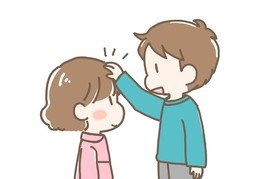
伤者在门外捶门,等待救援。shāng zhě zài mén wài chuí mén děng dài jiù yuán
The injured person pounded on the door outside while waiting for rescue.
A hand-guided motion that sends firm, repeated impacts into a body or an object.
用力捶门yòng lì chuí mén
pound forcefully on the door
用锤子捶金属yòng chuí zi chuí jīn shǔ
hammer metal with a hammer
捶鼓chuí gǔ
pound a drum
打dǎ: To hit a person or object with a hand or tool.
拍pāi: To pat or tap lightly with the hand.
敲qiāo: To strike an object with a hand or tool to make a sound.
锤chuí: To strike an object forcefully with a hammer or similar tool.
用手或手持物反复有力地敲打或击打,既可指按摩式的拍打(如捶背),也可指对物体或人的重击或殴打。yòng shǒu huò shǒu chí wù fǎn fù yǒu lì dì qiāo dǎ huò jī dǎ jì kě zhǐ àn mó shì de pāi dǎ rú chuí bèi yě kě zhǐ duì wù tǐ huò rén de zhòng jī huò ōu dǎ
捶 (chuí, "pound") is formed from 扌 (shǒu, "hand") + 垂 (chuí, "hang down"), with the first component marking a hand action and the second mainly supplying the sound.