

HSK · Level 27
135 words
Search Chinese words by characters, pinyin or English meaning.
Dictionaries
Quick links
Browse
 MotiSpiOfficial conversation app

Chinese word
Pinyinsǔn
别随便损坏别人的东西。bié suí biàn sǔn huài bié rén de dōng xī
Don't damage other people's belongings without thinking.
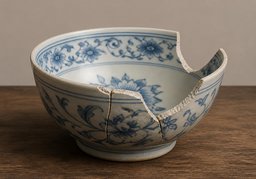
这种谣言会损害他的名誉。zhè zhǒng yáo yán huì sǔn hài tā de míng yù
This kind of rumor will damage his reputation.
A force or act reduces what something has, whether that is physical condition, bodily well-being, value, or standing.
损害公司利益sǔn hài gōng sī lì yì
damage the company's interests
损害形象sǔn hài xíng xiàng
damage one's image
损坏公共财物sǔn huài gōng gòng cái wù
damage public property
损害sǔn hài: Harms interests, rights, reputation, or other valuable intangible things.
破坏pò huài: Damages buildings, equipment, or systems so they no longer work properly.
使人、物或抽象事物遭受损害或减少,既可指身体和物品的损坏,也可指利益或名誉的损失。shǐ rén wù huò chōu xiàng shì wù zāo shòu sǔn hài huò jián shǎo jì kě zhǐ shēn tǐ hé wù pǐn de sǔn huài yě kě zhǐ lì yì huò míng yù de sǔn shī
损 (sǔn, "damage") uses 扌 (shǒu, "hand") + 员 (yuán, "member"), with the hand marking an action and 员 mainly supplying the sound.