

HSK · Level 13
135 words
Search Chinese words by characters, pinyin or English meaning.
Dictionaries
Quick links
Browse
 MotiSpiOfficial conversation app

Chinese word
Pinyinzhuō mí cáng
孩子们在公园里玩捉迷藏。hái zi men zài gōng yuán lǐ wán zhuō mí cáng
The children are playing hide-and-seek in the park.
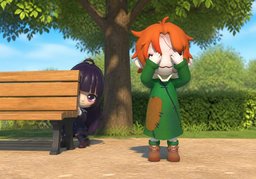
我们小时候经常在院子里玩捉迷藏。wǒ men xiǎo shí hòu jīng cháng zài yuàn zi lǐ wán zhuō mí cáng
As children, we often played hide-and-seek in the yard.
A shared game of disappearing and searching, with discovery passing the searching role to another player.
玩捉迷藏wán zhuō mí cáng
play hide-and-seek
躲猫猫duǒ māo māo: A children's game in which a seeker looks for hidden children.
藏猫猫cáng māo māo: A children's game in which children hide until another player discovers them.
儿童常玩的游戏,通常由一人作为寻找者,其他人藏匿并尽量不被找到,找到了就交换角色。ér tóng cháng wán de yóu xì tōng cháng yóu yì rén zuò wéi xún zhǎo zhě qí tā rén cáng nì bìng jǐn liàng bú bèi zhǎo dào zhǎo dào le jiù jiāo huàn jué sè
The compound joins 捉 (zhuō, "catch"), 迷 (mí, "be lost"), and 藏 (cáng, "hide") to evoke finding people who have hidden themselves from view.