

Chinese Conversation · Level 28
90 words
Search Chinese words by characters, pinyin or English meaning.
Dictionaries
Quick links
Browse
 MotiSpiOfficial conversation app

Chinese word
Pinyināi zhe
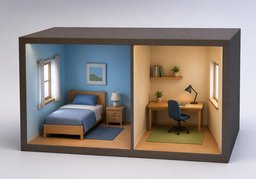
我的房间挨着她的房间。wǒ de fáng jiān āi zhe tā de fáng jiān
My room is next to hers.
他把椅子挨着墙摆好。tā bǎ yǐ zi āi zhe qiáng bái hǎo
He placed the chair next to the wall.
A place or object stays directly alongside another, with their shared boundary remaining in contact.
挨着墙āi zhe qiáng
be next to the wall
挨着门āi zhe mén
be next to the door
挨着窗户āi zhe chuāng hù
be next to the window
靠着kào zhe: Leans against a person or object and stays supported by it.
贴着tiē zhe: Stays pressed closely against another surface along its shape.
接近jiē jìn: Moves into or stays in a position near another place or object.
表示空间上相邻并形成接触的动作或状态,强调毗邻关系的持续性或存在。biǎo shì kōng jiān shàng xiàng lín bìng xíng chéng jiē chù de dòng zuò huò zhuàng tài qiáng diào pí lín guān xì de chí xù xìng huò cún zài
The compound combines 挨 (āi, "move close") + 着 (zhe, "mark a continuing state"), linking close approach with contact that remains.