

Chinese Conversation · Level 23
90 words
Search Chinese words by characters, pinyin or English meaning.
Dictionaries
Quick links
Browse
 MotiSpiOfficial conversation app

Chinese word
Pinyinná
请把桌上的书拿给我。qǐng bǎ zhuō shàng de shū ná gěi wǒ
Please take the book on the table and give it to me.
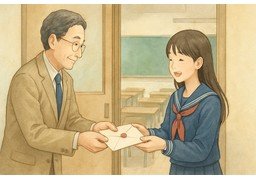
他把杯子拿起来喝了一口。tā bǎ bēi zi ná qǐ lái hē le yì kǒu
He picked up the cup and took a sip.
A hand takes control of an object and moves it toward a new place or person.
拿起来ná qǐ lái
pick up
拿走ná zǒu
take away
拿给ná gěi
fetch and give
给gěi: Hand an object to another person.
带dài: Take an object along when going to another place.
放fàng: Put an object in a chosen place and leave it there.
用手把东西从一处取到另一处,可指递给别人、拿来或拿走,语义较为口语化且使用广泛。yòng shóu bǎ dōng xī cóng yí chù qǔ dào lìng yí chù kě zhǐ dì gěi bié rén ná lái huò ná zǒu yǔ yì jiào wéi kóu yǔ huà qiě shǐ yòng guǎng fàn
The character 拿 (ná, "take") contains 手 (shǒu, "hand") + 合 (hé, "join"), with the hand component pointing to the physical action of taking.