

Chinese Conversation · Level 56
90 words
Search Chinese words by characters, pinyin or English meaning.
Dictionaries
Quick links
Browse
 MotiSpiOfficial conversation app

Chinese word
Pinyinlán zhù
我看到她准备走,就上前把她拦住了。wǒ kàn dào tā zhǔn bèi zǒu jiù shàng qián bǎ tā lán zhù le
I saw that she was about to leave, so I went over and stopped her.
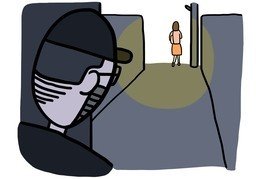
前面的车拦住了去路,车队无法前进。qián miàn de chē lán zhù le qù lù chē duì wú fǎ qián jìn
The car in front blocked the way, so the convoy could not move forward.
A moving person or thing is brought to a halt and held there, preventing further movement or action.
把他拦住bǎ tā lán zhù
stop him
被人拦住bèi rén lán zhù
be stopped by someone
拦住去路lán zhù qù lù
block the way
挡住dǎng zhù: Bar a passage or course with something or someone so that nothing can pass.
叫住jiào zhù: Stop someone who is leaving by calling loudly to them.
阻止zú zhǐ: Stop a plan or action from happening through deliberate measures.
挡住某人或某物,使其不能继续前进或进行原来的动作,强调使其停留的结果。dǎng zhù mǒu rén huò mǒu wù shǐ qí bù néng jì xù qián jìn huò jìn xíng yuán lái de dòng zuò qiáng diào shǐ qí tíng liú de jié guǒ
拦 (lán, "bar") + 住 (zhù, "stay") forms a verb in which 住 marks the result of remaining stopped.