

HSK · Level 108
45 words
Search Chinese words by characters, pinyin or English meaning.
Dictionaries
Quick links
Browse
 MotiSpiOfficial conversation app

Chinese word
Pinyinzhuō liè
这次演讲的内容很拙劣。zhè cì yán jiǎng de nèi róng hěn zhuō liè
The content of this speech is very poor.
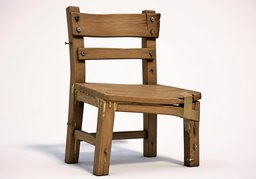
他的翻译非常拙劣,误解了原意。tā de fān yì fēi cháng zhuō liè wù jiě le yuán yì
His translation is very poor and misunderstands the original meaning.
An attempt that is awkwardly made and turns out rough, weak, and below standard.
拙劣的演讲zhuō liè de yán jiǎng
poor speech
拙劣的表演zhuō liè de biáo yǎn
poor performance
拙劣的翻译zhuō liè de fān yì
poor translation
差劲chà jìn: Describes ability, work, or results that are plainly poor or inadequate.
糟糕zāo gāo: Describes something very bad in result or appearance, often leaving an unpleasant impression.
低劣dī liè: Describes quality or standards that are low, with little value or dignity.
粗劣cū liè: Describes products or work made roughly, with little care or precision.
表示某种行为、表演或物品既笨拙又粗劣,强调欠缺技巧与质量。biǎo shì móu zhǒng xíng wéi biáo yǎn huò wù pǐn jì bèn zhuō yòu cū liè qiáng diào qiàn quē jì qiǎo yǔ zhì liàng
拙 (zhuō, "clumsy") + 劣 (liè, "inferior") combines awkward technique with an inferior result, giving the word its criticism of poor workmanship.