

Chinese Conversation · Level 71
90 words
Search Chinese words by characters, pinyin or English meaning.
Dictionaries
Quick links
Browse
 MotiSpiOfficial conversation app

Chinese word
Pinyinguǎi
有人想把孩子拐走。yǒu rén xiǎng bǎ hái zi guái zǒu
Someone wants to kidnap the child.
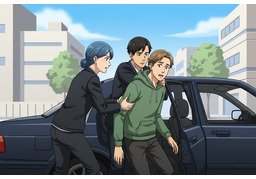
警方破获了一个拐卖团伙,抓获多人。jǐng fāng pò huò le yí gè guǎi mài tuán huǒ zhuā huò duō rén
The police broke up a kidnapping and trafficking ring and arrested several people.
A person is pulled away from their own path and loses the freedom to decide where to go.
拐走guái zǒu
kidnap
拐卖guǎi mài
kidnap and sell
防范拐卖fáng fàn guǎi mài
guard against abduction and trafficking
绑架bǎng jià: Abduct a person by force or threat and take them away against their will.
劫持jié chí: Seize control of a person or vehicle through force or threats, taking away freedom.
诱骗yòu piàn: Lure and deceive someone with false promises or words to make them do something.
拐卖guǎi mài: Abduct people and sell them as part of human trafficking.
用欺骗、引诱或胁迫等手段把人带走,使其失去自由或可能被贩卖yòng qī piàn yǐn yòu huò xié pò děng shǒu duàn bǎ rén dài zǒu shǐ qí shī qù zì yóu huò kě néng bèi fàn mài
拐 (guǎi, "to abduct") is historically linked to the noun for a crutch, then develops senses of turning and leading away, with the criminal sense involving a person's loss of freedom.