

Chinese Conversation · Level 81
91 words
Search Chinese words by characters, pinyin or English meaning.
Dictionaries
Quick links
Browse
 MotiSpiOfficial conversation app

Chinese word
Pinyinchōu chù
他的眼皮一直在抽搐。tā de yǎn pí yì zhí zài chōu chù
His eyelid keeps twitching.
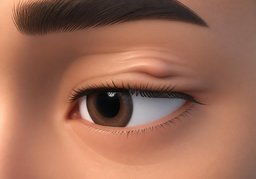
他睡眠不足时,眼皮会抽搐。tā shuì mián bù zú shí yǎn pí huì chōu chù
When he does not get enough sleep, his eyelid twitches.
A muscle briefly tightens on its own, making an eyelid, facial area, or other small body part jump.
眼皮抽搐yǎn pí chōu chù
eyelid twitch
手指抽搐shóu zhǐ chōu chù
finger twitch
面部抽搐miàn bù chōu chù
facial twitch
抽动chōu dòng: To produce short, involuntary movements in a muscle or other body part.
眼皮抽动yǎn pí chōu dòng: To undergo small, repeated twitches caused by involuntary eyelid contractions.
抽筋chōu jīn: To contract suddenly in a painful muscle spasm.
身体局部的肌肉短暂无意识地收缩,引起细小的跳动或抽动,常见于眼睑或面部。shēn tǐ jú bù de jī ròu duǎn zàn wú yì shí dì shōu suō yín qǐ xì xiǎo de tiào dòng huò chōu dòng cháng jiàn yú yán jiǎn huò miàn bù
抽搐 (chōuchù, "to twitch") joins the idea of pulling in 抽 (chōu, "pull") with the contraction expressed by 搐 (chù, "contract"), pointing to a localized jerking movement.