

Chinese Conversation · Level 22
90 words
Search Chinese words by characters, pinyin or English meaning.
Dictionaries
Quick links
Browse
 MotiSpiOfficial conversation app

Chinese word
Pinyintái jià
商店又抬价了。shāng diàn yòu tái jià le
The store has raised its prices again.
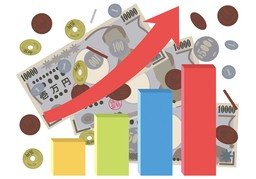
节日前很多商家会抬价。jié rì qián hěn duō shāng jiā huì tái jià
Many merchants raise prices before holidays.
A seller raises a price as though physically lifting it, usually when circumstances make extra profit possible.
商店抬价shāng diàn tái jià
stores raise prices
商家抬价shāng jiā tái jià
merchants raise prices
对商品抬价duì shāng pǐn tái jià
raise prices for goods
涨价zhǎng jià: Prices of products or services go up, without saying whether the change is fair or planned.
提价tí jià: A seller raises the price of a product or service as a deliberate pricing decision.
哄抬hōng tái: Artificially push prices up through improper means, often to make extra profit.
临时或不当提高商品或服务的价格,常含有趁机或哄抬价格的意味,属于口语用法。lín shí huò bú dàng tí gāo shāng pǐn huò fú wù de jià gé cháng hán yǒu chèn jī huò hōng tái jià gé de yì wèi shǔ yú kóu yǔ yòng fǎ
抬价 (táijià, "raise prices") joins 抬 (tái, "lift") and 价 (jià, "price"), creating the image of lifting a price above its usual position.