

HSK · Level 122
47 words
Search Chinese words by characters, pinyin or English meaning.
Dictionaries
Quick links
Browse
 MotiSpiOfficial conversation app

Chinese word
Pinyinlūn
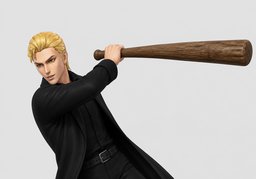
他用手臂把木棒抡了起来。tā yòng shǒu bì bǎ mù bàng lūn le qǐ lái
He swung the wooden stick up with his arm.
工地上工人把铁锤抡了下来。gōng dì shàng gōng rén bǎ tiě chuí lūn le xià lái
At the construction site, a worker swung the iron hammer down.
An arm or tool drives a held object up and around with force.
把铁锤抡下来bǎ tiě chuí lūn xià lái
swing down the iron hammer
抡起棍子lūn qǐ gùn zi
swing a stick up
挥huī: Swinging a hand or tool widely to move it through the air.
甩shuǎi: Using the arm to swing something sharply outward and let it fly.
扔rēng: Letting go of an object while throwing it toward a distant place.
用手、胳膊或借助工具把物体抡起并以弧线挥动,动作有明显的力度,常含把物体抡向一侧或向外的意思。yòng shǒu gē bó huò jiè zhù gōng jù bǎ wù tǐ lūn qǐ bìng yǐ hú xiàn huī dòng dòng zuò yǒu míng xiǎn de lì dù cháng hán bǎ wù tǐ lūn xiàng yí cè huò xiàng wài de yì si
抡 (lūn, "swing") combines 扌 (shǒu, "hand") with 仑 (lún, "sound cue"), so its written form points to a hand action while 仑 mainly supplies the sound.