

Chinese Conversation · Level 14
90 words
Search Chinese words by characters, pinyin or English meaning.
Dictionaries
Quick links
Browse
 MotiSpiOfficial conversation app

Chinese word
Pinyinbǎ
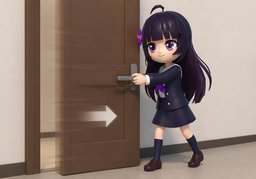
请把门关上。qǐng bǎ mén guān shàng
Please close the door.
我把钥匙放在桌子上了。wǒ bǎ yào shi fàng zài zhuō zi shàng le
I put the keys on the table.
A hand takes hold of a specific object and brings it forward for handling or change.
把书放好bǎ shū fàng hǎo
put the book in its place
把饭吃完bǎ fàn chī wán
finish eating the meal
把钥匙放好bǎ yào shi fàng hǎo
put the keys in their place
给gěi: Shows the person or place that receives something in an act of giving.
被bèi: Shows the person or thing affected by an action in a passive sentence.
让ràng: Shows that someone makes or allows another person to do something.
用来将动作的受事对象前置,表示对该对象进行处理、支配或引起结果,常见结构为“把+宾语+动词+(补语)”,通常用于具体确定的对象。yòng lái jiāng dòng zuò de shòu shì duì xiàng qián zhì biǎo shì duì gāi duì xiàng jìn xíng chú lǐ zhī pèi huò yín qǐ jié guǒ cháng jiàn jié gòu wèi bǎ bīn yǔ dòng cí bú yǔ tōng cháng yòng yú jù tǐ què dìng de duì xiàng
把 (bǎ, "grasp") combines 扌 (shǒu, "hand") with 巴 (bā, "sound element"), and its sense of holding an object extended to the object-handling construction and to a quantity held in one hand.