

HSK · Level 6
133 words
Search Chinese words by characters, pinyin or English meaning.
Dictionaries
Quick links
Browse
 MotiSpiOfficial conversation app

Chinese word
Pinyinyáng
车轮把灰尘扬起来。chē lún bǎ huī chén yáng qǐ lái
The wheels kicked up dust.
海风把沙滩上的细沙扬了起来。hǎi fēng bǎ shā tān shàng de xì shā yáng le qǐ lái
The sea wind kicked up the fine sand on the beach.
Force sends something upward and outward, from dust in the air to a rising public mood.
扬起尘土yáng qǐ chén tǔ
raise dust
扬起眉毛yáng qǐ méi máo
raise one's eyebrows
扬起帆yáng qǐ fān
raise a sail
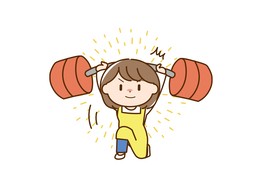
举jǔ: Uses the hands or strength to lift an object upward.
抬tái: Uses both hands to lift something heavy.
飘piāo: Moves gently and lightly through the air.
散开sàn kāi: Becomes spread out after separating from a group or mass.
用手或力量使物体、灰尘等向上抬起或在空气中散开,也可比喻使声势、名声或情绪向上扩展。yòng shǒu huò lì liàng shǐ wù tǐ huī chén děng xiàng shàng tái qǐ huò zài kōng qì zhōng sàn kāi yě kě bǐ yù shǐ shēng shì míng shēng huò qíng xù xiàng shàng kuò zhǎn
The verb 扬 (yáng, "raise") extends from physically sending something upward to describing sound, fame, or feeling spreading beyond its source, linking its concrete and figurative senses.