

HSK · Level 24
135 words
Search Chinese words by characters, pinyin or English meaning.
Dictionaries
Quick links
Browse
 MotiSpiOfficial conversation app

Chinese word
Pinyinsǎo chú
我今天要把房间扫除一下。wǒ jīn tiān yào bǎ fáng jiān sǎo chú yí xià
I need to clean up the room today.
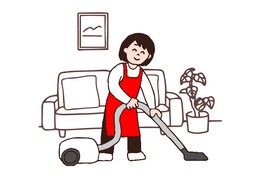
请把桌子上的灰尘扫除干净。qǐng bǎ zhuō zi shàng de huī chén sǎo chú gān jìng
Please clean the dust off the table.
A sweeping action that leaves a place or situation free of whatever blocks, dirties, or harms it.
扫除灰尘sǎo chú huī chén
remove dust
扫除垃圾sǎo chú lā jī
remove garbage
扫除杂物sǎo chú zá wù
clear away clutter
打扫dá sǎo: Cleans floors or rooms by brushing or wiping away dirt.
清理qīng lǐ: Sorts through clutter, removes unwanted items, and leaves things orderly.
收拾shōu shí: Puts scattered things away and makes a place tidy.
清除qīng chú: Removes unwanted things or obstacles completely.
用工具或手把尘土、杂物等一并去掉,也可引申为清除障碍或不良事物。yòng gōng jù huò shóu bǎ chén tǔ zá wù děng yí bìng qù diào yě kě yǐn shēn wèi qīng chú zhàng ài huò bù liáng shì wù
扫除 (sǎochú, "clean up") is formed from 扫 (sǎo, "sweep") + 除 (chú, "remove"), so its literal image of sweeping something away also supports its wider abstract use.