

HSK · Level 32
135 words
Search Chinese words by characters, pinyin or English meaning.
Dictionaries
Quick links
Browse
 MotiSpiOfficial conversation app

Chinese word
Pinyinsǎo mù
清明节我们会去扫墓。qīng míng jié wǒ men huì qù sǎo mù
We visit graves during the Qingming Festival.
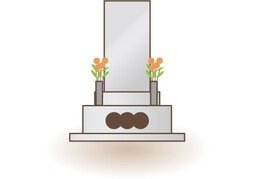
他每逢祭日都会到祖坟扫墓,为先人除草。tā měi féng jì rì dū huì dào zǔ fén sǎo mù wèi xiān rén chú cǎo
On every memorial day, he goes to his ancestors' graves to pay his respects and clear away the weeds.
A family visit to an ancestor's grave that joins physical cleaning with remembrance and respect.
在墓前扫墓zài mù qián sǎo mù
pay respects at a grave
每年扫墓měi nián sǎo mù
visit graves every year
上坟shàng fén: Go to a grave for an ancestor and honor them with offerings.
祭祖jì zǔ: Observe ancestral rites by offering gifts and showing respect to one's ancestors.
祭拜jì bài: Offer worship before a grave or altar to honor ancestors or deities.
拜祭bài jì: Perform a memorial ceremony at a grave or ritual site with offerings and prayers.
前往祖先的墓地,清扫墓地并进行献花、烧香等祭拜,以表示对先人的缅怀与敬意。qián wǎng zǔ xiān de mù dì qīng sǎo mù dì bìng jìn xíng xiàn huā shāo xiāng děng jì bài yǐ biǎo shì duì xiān rén de miǎn huái yǔ jìng yì
扫 (sǎo, "sweep away") + 墓 (mù, "grave") forms a compact verb for the cleaning and memorial acts carried out at a grave.