

HSK · Level 42
120 words
Search Chinese words by characters, pinyin or English meaning.
Dictionaries
Quick links
Browse
 MotiSpiOfficial conversation app

Chinese word
Pinyindǎ dǔnr
午饭后我在办公室里打盹儿。wǔ fàn hòu wǒ zài bàn gōng shì lǐ dá dǔnr
After lunch, I took a nap in the office.
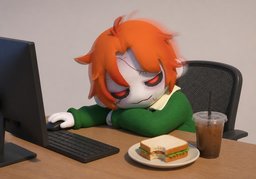
他在地铁上打盹儿,差点错过站。tā zài dì tiě shàng dá dǔnr chà diǎn cuò guò zhàn
He dozed on the subway and almost missed his stop.
A small pocket of sleep that appears during a pause in an everyday activity and quickly gives way to alertness.
在公交车上打盹儿zài gōng jiāo chē shàng dá dǔnr
nap on a bus
趴着打盹儿pā zhe dá dǔnr
nap lying face down
打瞌睡dǎ kē shuì: Doze lightly and briefly when feeling sleepy.
小睡xiǎo shuì: Take a short nap as a simple way to rest.
眯一会儿mī yí huìr: Rest for a little while with the eyes closed, possibly falling asleep.
小憩xiǎo qì: Rest briefly to recover from tiredness, sometimes by sleeping.
吃饭、工作等间隙短暂睡着,时间很短且不会进入深睡眠。chī fàn gōng zuò děng jiàn xì duǎn zàn shuì zháo shí jiān hěn duǎn qiě bú huì jìn rù shēn shuì mián
打 (dǎ, "to do") + 盹 (dǔn, "doze") forms the main meaning, and 儿 (ér, "r-sound ending") adds a colloquial spoken ending rather than a new kind of sleep.