

Chinese Conversation · Level 27
90 words
Search Chinese words by characters, pinyin or English meaning.
Dictionaries
Quick links
Browse
 MotiSpiOfficial conversation app

Chinese word
Pinyindǎ gé
我不停地打嗝,很难受。wǒ bù tíng dì dǎ gé hěn nán shòu
I keep hiccupping, and I feel awful.
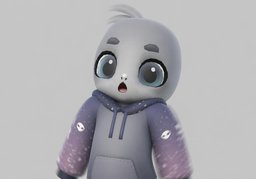
小孩子被吓到时会突然打嗝。xiǎo hái zi bèi xià dào shí huì tū rán dǎ gé
Children suddenly get the hiccups when frightened.
An involuntary muscle spasm interrupts the breath with a brief inward sound and a small body jerk.
被吓到就会打嗝bèi xià dào jiù huì dǎ gé
get the hiccups when frightened
喝水能止住打嗝hē shuǐ néng zhǐ zhù dǎ gé
drinking water can stop hiccups
打嗝儿dǎ gér: To hiccup, using a casual northern Chinese form common in everyday speech.
因横隔膜或喉部肌肉突发性收缩而产生短促吸气声并伴随不随意的抽动,通常为一过性生理现象。yīn héng gé mó huò hóu bù jī ròu tū fā xìng shōu suō ér chǎn shēng duǎn cù xī qì shēng bìng bàn suí bù suí yì de chōu dòng tōng cháng wèi yí guò xìng shēng lǐ xiàn xiàng
打 (dǎ, "to make") + 嗝 (gé, "hiccup sound") forms a verb for producing that sudden sound and motion.