

Chinese Conversation · Level 28
90 words
Search Chinese words by characters, pinyin or English meaning.
Dictionaries
Quick links
Browse
 MotiSpiOfficial conversation app

Chinese word
Pinyinfáng kè
房客已经搬进来了。fáng kè yǐ jīng bān jìn lái le
The tenant has already moved in.
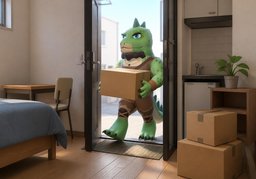
房客决定明年续租。fáng kè jué dìng míng nián xù zū
The tenant has decided to renew the lease next year.
A person who makes a rented room or house a home.
联系房客lián xì fáng kè
contact the tenant
房客续租fáng kè xù zū
tenant renews the lease
房客搬走fáng kè bān zǒu
tenant moves out
租客zū kè: A person who pays to rent and live in a house or room.
租户zū hù: The party renting a home or property under a rental agreement.
承租人chéng zū rén: The formal legal name for the party who rents a property.
租住在房屋内并以该房屋为居所的人。zū zhù zài fáng wū nèi bìng yǐ gāi fáng wū wèi jū suǒ de rén
房 (fáng, "room or house") + 客 (kè, "guest") forms a word for a guest who stays in a home as a resident rather than a brief visitor.