

Chinese Conversation · Level 11
90 words
Search Chinese words by characters, pinyin or English meaning.
Dictionaries
Quick links
Browse
 MotiSpiOfficial conversation app

Chinese word
Pinyindài
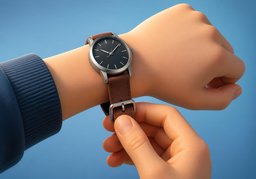
他每天戴手表。tā měi tiān dài shóu biǎo
He wears a watch every day.
他出门前先戴口罩。tā chū mén qián xiān dài kǒu zhào
He puts on a mask before going out.
An object settles onto the matching body part as a visible accessory or protective covering.
戴眼镜dài yǎn jìng
put on glasses
戴手表dài shóu biǎo
put on a watch
戴帽子dài mào zi
put on a hat
戴口罩dài kǒu zhào
put on a mask
带dài: Bring a thing or person with you from one place to another.
穿chuān: Wear or put on garments, trousers, shoes, and other clothing items.
把帽子、眼镜、手表、首饰、手套等放在头上或身体相应部位作为佩带的动作或状态。bǎ mào zi yǎn jìng shóu biǎo shǒu shì shǒu tào děng fàng zài tóu shàng huò shēn tǐ xiāng yìng bù wèi zuò wéi pèi dài de dòng zuò huò zhuàng tài
戴 (dài, "wear") grew from a concrete sense of placing an object on the head, then extended to objects settled on other parts of the body.