

Chinese Conversation · Level 2
86 words
Search Chinese words by characters, pinyin or English meaning.
Dictionaries
Quick links
Browse
 MotiSpiOfficial conversation app

Chinese word
Pinyinwǒ qǐng kè
今天晚饭我请客。jīn tiān wǎn fàn wǒ qǐng kè
I am treating you to dinner tonight.
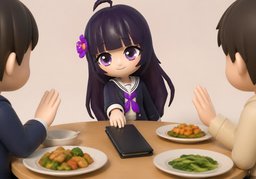
今晚就别带钱了,我请客。jīn wǎn jiù bié dài qián le wǒ qǐng kè
You don't need to bring money tonight; I'm treating.
The person who says it turns a meal with others into a personal act of hospitality.
今晚我请客jīn wǎn wǒ qǐng kè
my treat this evening
这次聚会我请客zhè cì jù huì wǒ qǐng kè
my treat for this gathering
请客qǐng kè: Treating guests to food or drinks by paying the cost.
请吃饭qǐng chī fàn: Inviting someone to a meal and paying for it.
买单mǎi dān: Paying the full bill at a restaurant or other place where a meal is served.
招待zhāo dài: Providing hospitality by paying for another person's meal or event.
口语中用来表示愿意为一顿饭或一群人支付费用,通常用于朋友或同事之间。kóu yǔ zhōng yòng lái biǎo shì yuàn yì wèi yí dùn fàn huò yì qún rén zhī fù fèi yòng tōng cháng yòng yú péng yǒu huò tóng shì zhī jiān
我 (wǒ, "I") + 请 (qǐng, "invite") + 客 (kè, "guest") forms 我请客 (wǒqǐngkè, "I will treat"), linking the role of inviting guests with responsibility for the meal's cost.