

HSK · Level 99
45 words
Search Chinese words by characters, pinyin or English meaning.
Dictionaries
Quick links
Browse
 MotiSpiOfficial conversation app

Chinese word
Pinyinchéng qún jié duì
他们成群结队去超市。tā men chéng qún jié duì qù chāo shì
They go to the supermarket in groups.
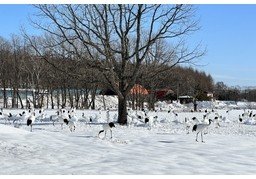
春季,候鸟成群结队南下过冬。chūn jì hòu niǎo chéng qún jié duì nán xià guò dōng
In spring, migratory birds fly south in groups to spend the winter.
A large crowd moves or acts as one organized body.
成群结队迁徙chéng qún jié duì qiān xǐ
migrate in groups
成群结队出门chéng qún jié duì chū mén
go out in groups
蜂拥而至fēng yōng ér zhì: A large crowd rushes in and arrives or gathers all at once.
络绎不绝luò yì bù jué: People or vehicles keep coming one after another without stopping.
人山人海rén shān rén hǎi: A place is packed with so many people that they seem like mountains and a sea.
摩肩接踵mó jiān jiē zhǒng: People are packed so tightly that their shoulders and heels touch.
大量的人或动物聚在一起,组成群体或队列并一起移动或行动。dà liàng de rén huò dòng wù jù zài yì qǐ zǔ chéng qún tǐ huò duì liè bìng yì qǐ yí dòng huò xíng dòng
成 (chéng, "form") + 群 (qún, "group") and 结 (jié, "join") + 队 (duì, "formation") create two parallel images of gathering and moving as one.