

Chinese Conversation · Level 59
90 words
Search Chinese words by characters, pinyin or English meaning.
Dictionaries
Quick links
Browse
 MotiSpiOfficial conversation app

Chinese word
Pinyinxì jù
昨晚我们去看了戏剧。zuó wǎn wǒ men qù kàn le xì jù
We went to see a play last night.
学者讨论了这出古典戏剧的历史意义。xué zhě tǎo lùn le zhè chū gú diǎn xì jù de lì shǐ yì yì
Scholars discussed the historical meaning of this classical play.
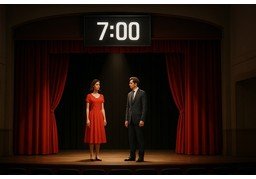
A live story takes shape before an audience through actors' speech and movement.
古典戏剧gú diǎn xì jù
classical play
戏剧作品xì jù zuò pǐn
theatrical work
话剧huà jù: A spoken drama performed on stage with everyday modern dialogue.
戏曲xì qǔ: A traditional Chinese stage art using songs, music, and distinctive gestures to tell stories.
电视剧diàn shì jù: A story made for television and presented in a series of episodes.
表演biáo yǎn: An acting or artistic performance presented for an audience.
以舞台表演为主,通过演员、台词和动作表现完整的故事或情感的表演艺术及其作品。yǐ wǔ tái biáo yǎn wéi zhǔ tōng guò yǎn yuán tái cí hé dòng zuò biǎo xiàn wán zhěng de gù shì huò qíng gǎn de biáo yǎn yì shù jí qí zuò pǐn
戏剧 (xìjù, "drama") combines 戏 (xì, "performance") with 剧 (jù, "dramatic work"), joining the ideas of acting and an organized story.