

Chinese Conversation · Level 82
61 words
Search Chinese words by characters, pinyin or English meaning.
Dictionaries
Quick links
Browse
 MotiSpiOfficial conversation app

Chinese word
Pinyingǎn tóng shēn shòu
我对你的处境感同身受。wǒ duì nǐ de chǔ jìng gǎn tóng shēn shòu
I empathize with your situation.
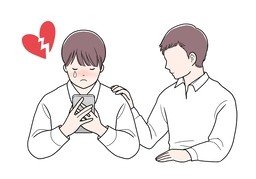
听了朋友的遭遇,我很感同身受。tīng le péng yǒu de zāo yù wǒ hěn gǎn tóng shēn shòu
After hearing about my friend's experience, I really empathized with them.
A boundary between another person's feelings and one's own becomes thin, so the other person's experience is felt from the inside.
对他人的遭遇感同身受duì tā rén de zāo yù gǎn tóng shēn shòu
empathize with others' experiences
对同事的困难感同身受duì tóng shì de kùn nán gǎn tóng shēn shòu
empathize with coworkers' difficulties
难以感同身受nán yǐ gǎn tóng shēn shòu
find it hard to empathize
共情gòng qíng: Emotionally connect with someone and respond to their feelings with understanding.
理解lí jiě: Understand someone's words, reasons, or situation clearly.
同情tóng qíng: Feel concern and sorrow for someone who is suffering.
安慰ān wèi: Help someone feel less sad through kind words or actions.
对他人的处境或情绪产生深刻共鸣,能设身处地体会对方的感受。duì tā rén de chǔ jìng huò qíng xù chǎn shēng shēn kè gòng míng néng shè shēn chǔ dì tǐ huì duì fāng de gǎn shòu
感 (gǎn, "feel") + 同 (tóng, "same") + 身 (shēn, "self") + 受 (shòu, "undergo") forms the image of personally undergoing another person's situation.