

Chinese Conversation · Level 76
90 words
Search Chinese words by characters, pinyin or English meaning.
Dictionaries
Quick links
Browse
 MotiSpiOfficial conversation app

Chinese word
Pinyinrě
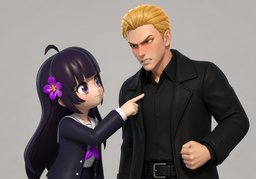
别惹我。bié rě wǒ
Don't provoke me.
会议上的不当言辞惹起了争议。huì yì shàng de bú dàng yán cí ré qǐ le zhēng yì
The inappropriate remarks at the meeting caused controversy.
Touch a person or situation in a way that causes an unwanted reaction.
惹怒rě nù
make angry
惹人注意rě rén zhù yì
draw attention
惹祸rě huò
cause trouble
得罪dé zuì: To offend someone through words or actions and cause resentment or anger.
冒犯mào fàn: To offend someone by crossing accepted standards of politeness, respect, or social position.
惹怒rě nù: To make someone angry through improper words or actions.
激怒jī nù: To drive someone into intense anger through an act or remark.
用言语或行为挑起他人怒气,或引发不快、纠纷和麻烦的动词。yòng yán yǔ huò xíng wéi tiāo qǐ tā rén nù qì huò yǐn fā bú kuài jiū fēn hé má fán de dòng cí
惹 (rě, "to provoke") combines 若 (ruò, "if; like") for its sound with 心 (xīn, "heart") as a marker of emotional response.