

HSK · Level 11
135 words
Search Chinese words by characters, pinyin or English meaning.
Dictionaries
Quick links
Browse
 MotiSpiOfficial conversation app

Chinese word
Pinyinhuàn yǒu
他患有高血压,需按时吃药。tā huàn yǒu gāo xuè yā xū àn shí chī yào
He has high blood pressure and needs to take his medicine on time.
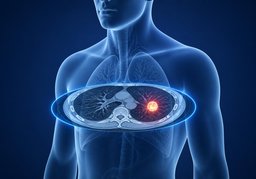
她从小就患有哮喘,运动时要注意。tā cóng xiǎo jiù huàn yǒu xiào chuǎn yùn dòng shí yào zhù yì
She has had asthma since childhood and needs to be careful when exercising.
Describes illness as a health condition that a person has, with a neutral and clinical focus on its presence.
患有高血压huàn yǒu gāo xuè yā
have high blood pressure
患有糖尿病huàn yǒu táng niào bìng
have diabetes
患有慢性病huàn yǒu màn xìng bìng
have a chronic illness
生病shēng bìng: Becoming ill or being sick is expressed in ordinary, conversational language.
得病dé bìng: Coming down with an illness is expressed in a colloquial way.
有病yǒu bìng: An illness being present in the body is expressed in ordinary daily language.
患病huàn bìng: A person being ill with a disease is described in formal medical language.
表示个体身上存在一种或多种疾病,常用于医学陈述或统计数据中。biǎo shì gè tǐ shēn shàng cún zài yì zhǒng huò duō zhǒng jí bìng cháng yòng yú yī xué chén shù huò tǒng jì shù jù zhōng
患有 (huànyǒu, "to have a disease") is built from 患 (huàn, "to suffer from illness") + 有 (yǒu, "to have"), expressing that a disease is held or found in someone's body.