

HSK · Level 65
90 words
Search Chinese words by characters, pinyin or English meaning.
Dictionaries
Quick links
Browse
 MotiSpiOfficial conversation app

Chinese word
Pinyinyōu jiǔ
这座古城有悠久的历史。zhè zuò gǔ chéng yǒu yōu jiǔ de lì shǐ
This ancient city has a long history.
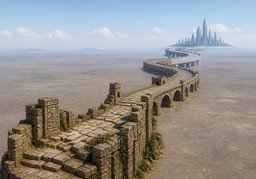
这座山脉记录了悠久的地质变迁。zhè zuò shān mài jì lù le yōu jiǔ de dì zhì biàn qiān
This mountain range records geological changes that span a long period.
A thread of time stretches from the distant past into the present without breaking.
悠久的历史yōu jiǔ de lì shǐ
long history
悠久的文化遗产yōu jiǔ de wén huà yí chǎn
long-standing cultural heritage
悠久的传统yōu jiǔ de chuán tǒng
long-standing tradition
漫长màn cháng: Lasting a long time before ending, with the duration seeming unusually long.
长久cháng jiǔ: Continuing for a long time in a steady state that does not easily change.
长远cháng yuǎn: Reaching far into the future and producing effects that last a long time.
时间延续很长,强调某事物从过去到现在持续存在,常用于描述历史、传统或关系的长久性。shí jiān yán xù hěn cháng qiáng diào mǒu shì wù cóng guò qù dào xiàn zài chí xù cún zài cháng yòng yú miáo shù lì shǐ chuán tǒng huò guān xì de cháng jiǔ xìng
悠 (yōu, "distant and unhurried") + 久 (jiǔ, "long-lasting") forms a compound for something that continues over a great span of time.