

HSK · Level 125
15 words
Search Chinese words by characters, pinyin or English meaning.
Dictionaries
Quick links
Browse
 MotiSpiOfficial conversation app

Chinese word
Pinyinnǎo xiū chéng nù
他当众被嘲笑,恼羞成怒,把杯子摔了。tā dāng zhòng bèi cháo xiào nǎo xiū chéng nù bǎ bēi zi shuāi le
He was mocked in public, got angry out of embarrassment, and smashed the cup.
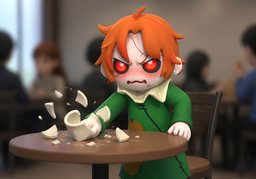
在家人面前被揭短后,他恼羞成怒,摔门而去。zài jiā rén miàn qián bèi jiē duǎn hòu tā nǎo xiū chéng nù shuāi mén ér qù
After his shortcomings were exposed in front of his family, he got angry out of embarrassment, slammed the door, and left.
A loss of face turns inner shame into an outward burst of anger.
当众恼羞成怒dāng zhòng nǎo xiū chéng nù
lose one's temper from embarrassment in public
恼羞成怒地反击nǎo xiū chéng nù dì fǎn jī
fight back angrily after being embarrassed
恼羞成怒的举动nǎo xiū chéng nù de jǔ dòng
an action taken in embarrassed anger
勃然大怒bó rán dà nù: A sudden and very fierce outburst of anger.
大发雷霆dà fā léi tíng: An extremely fierce outburst of anger, often shown loudly.
暴跳如雷bào tiào rú léi: Wild, thunderous anger shown through shouting and forceful movements.
怒发冲冠nù fà chōng guān: Fury so intense that one's hair seems to stand on end.
脸面受损或被当众羞辱后,由羞愧转为激烈愤怒的状态。liǎn miàn shòu sǔn huò bèi dāng zhòng xiū rǔ hòu yóu xiū kuì zhuǎn wéi jī liè fèn nù de zhuàng tài
恼 (nǎo, "distress") + 羞 (xiū, "shame") + 成 (chéng, "become") + 怒 (nù, "anger") presents shame changing into anger.