

HSK · Level 32
135 words
Search Chinese words by characters, pinyin or English meaning.
Dictionaries
Quick links
Browse
 MotiSpiOfficial conversation app

Chinese word
Pinyinè
他是个恶人。tā shì gè è rén
He is an evil person.
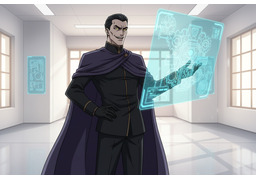
那个人的行为非常恶毒。nà ge rén de xíng wéi fēi cháng è dú
That person's behavior is extremely vicious.
A malicious moral nature that points toward harming people rather than merely doing something poorly.
邪恶xié è
evil
恶毒è dú
vicious
恶劣è liè
bad
邪恶xié è: Being profoundly wicked and opposed to moral goodness.
恶毒è dú: Having cruel intent and deliberately causing pain through words or actions.
恶劣è liè: Being extremely bad in attitude or condition and likely to cause trouble.
坏huài: Being bad in a general sense, including quality, condition, behavior, or character.
表示道德上或性格上的邪恶,指内心怀有伤害他人或损害善良的意图或倾向。biǎo shì dào dé shàng huò xìng gé shàng de xié è zhǐ nèi xīn huái yǒu shāng hài tā rén huò sǔn hài shàn liáng de yì tú huò qīng xiàng
The traditional form 惡 (è, "evil") contains 心 (xīn, "heart"), linking the written form to the word's focus on inner moral character; 恶 (è, "evil") is its simplified form.