

HSK · Level 81
45 words
Search Chinese words by characters, pinyin or English meaning.
Dictionaries
Quick links
Browse
 MotiSpiOfficial conversation app

Chinese word
Pinyinhū gāo hū dī
最近气温忽高忽低,要多准备衣服。zuì jìn qì wēn hū gāo hū dī yào duō zhǔn bèi yī fú
Temperatures have been fluctuating lately, so it is best to prepare more clothes.
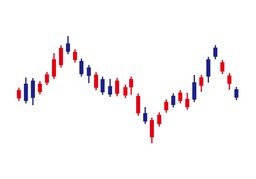
这几天股价忽高忽低,投资者非常不安。zhè jǐ tiān gǔ jià hū gāo hū dī tóu zī zhě fēi cháng bù ān
Stock prices have been fluctuating these past few days, making investors very uneasy.
A level keeps moving between an upper point and a lower point, with neither position lasting for long.
气温忽高忽低qì wēn hū gāo hū dī
fluctuating temperatures
股价忽高忽低gǔ jià hū gāo hū dī
fluctuating stock prices
心情忽高忽低xīn qíng hū gāo hū dī
fluctuating mood
波动bō dòng: Moving up and down over time, often across a noticeable range.
起伏qǐ fú: Rising and falling in an uneven pattern, like a series of hills and dips.
时高时低shí gāo shí dī: Being high at some times and low at others.
描述某事物在一段时间内时而较高、时而较低,呈现反复波动且不稳定。miáo shù mǒu shì wù zài yí duàn shí jiān nèi shí ér jiào gāo shí ér jiào dī chéng xiàn fǎn fù bō dòng qiě bù wěn dìng
忽 (hū, "suddenly") + 高 (gāo, "high") + 忽 + 低 (dī, "low") forms a balanced pattern in which one brief shift is followed by the opposite shift.