

HSK · Level 121
46 words
Search Chinese words by characters, pinyin or English meaning.
Dictionaries
Quick links
Browse
 MotiSpiOfficial conversation app

Chinese word
Pinyinpái huái
小区门口有人在徘徊。xiǎo qū mén kǒu yǒu rén zài pái huái
Someone is loitering at the entrance to the residential area.
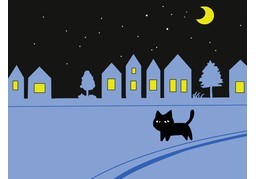
病人深夜在病房走廊徘徊,看起来很不安。bìng rén shēn yè zài bìng fáng zǒu láng pái huái kàn qǐ lái hěn bù ān
The patient was loitering in the hospital ward corridor late at night and looked very uneasy.
Repeated movement within a limited area, often showing that a person has no clear destination or cannot decide what to do.
在门口徘徊zài mén kǒu pái huái
loiter at the entrance
徘徊不定pái huái bú dìng
wander around aimlessly
在脑海中徘徊zài náo hǎi zhōng pái huái
linger in the mind
游荡yóu dàng: Roaming around aimlessly without anything specific to do.
闲逛xián guàng: Wandering around leisurely without an urgent reason, simply to spend time.
散步sàn bù: Taking a slow walk for health or relaxation.
转悠zhuàn yōu: Milling around an area in a relaxed, unplanned way.
在某处无明确目的地反复走动;也常用来形容人因犹豫而反复迟疑。zài mǒu chù wú míng què mù dì dì fǎn fù zǒu dòng yě cháng yòng lái xíng róng rén yīn yóu yù ér fǎn fù chí yí
徘徊 (páihuái, "loiter") combines two characters associated with walking back and forth, linking physical repeated movement with later figurative hesitation.