

HSK · Level 86
45 words
Search Chinese words by characters, pinyin or English meaning.
Dictionaries
Quick links
Browse
 MotiSpiOfficial conversation app

Chinese word
Pinyindé shī
做选择时要权衡得失。zuò xuǎn zé shí yào quán héng dé shī
The gains and losses should be carefully weighed when making a choice.
为了大局,他常常不计得失。wèi le dà jú tā cháng cháng bú jì dé shī
For the greater good, he often disregards gains and losses.
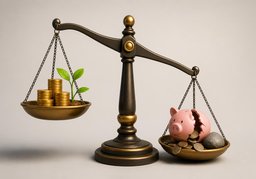
A choice viewed as a balance between what it brings and what it costs.
权衡得失quán héng dé shī
weigh gains and losses
不计得失bú jì dé shī
disregard gains and losses
顾及得失gù jí dé shī
take gains and losses into account
利益lì yì: Something good gained from an action, including money or a personal benefit.
损失sǔn shī: A loss or harmful result caused by an action, event, or decision.
表示对某一行为或选择可能带来的利益与损失进行权衡,侧重于比较双方轻重及后果。biǎo shì duì mǒu yì xíng wèi huò xuǎn zé kě néng dài lái de lì yì yǔ sǔn shī jìn xíng quán héng cè zhòng yú bǐ jiào shuāng fāng qīng zhòng jí hòu guǒ
得失 (déshī, "gain and loss") combines 得 (dé, "obtain") with 失 (shī, "lose"), putting the two possible sides of an action into one expression.