

HSK · Level 10
135 words
Search Chinese words by characters, pinyin or English meaning.
Dictionaries
Quick links
Browse
 MotiSpiOfficial conversation app

Chinese word
Pinyinwǎng rì
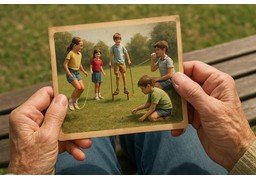
他总是怀念往日的时光。tā zǒng shì huái niàn wǎng rì de shí guāng
He always misses the old days.
这条街区正努力恢复往日的面貌。zhè tiáo jiē qū zhèng nǔ lì huī fù wǎng rì de miàn mào
This neighborhood is working hard to restore its former appearance.
Earlier time viewed as a stretch of life already left behind, often remembered with a reflective tone.
往日的光景wǎng rì de guāng jǐng
scenes from the old days
恢复往日的面貌huī fù wǎng rì de miàn mào
restore its former appearance
已不复往日的模样yǐ bú fù wǎng rì de mú yàng
no longer look as they did in the past
以前yǐ qián: An earlier time or period before the present or another stated time.
过去guò qù: Time or events that have already passed.
从前cóng qián: A time long ago, often referring to life and conditions in earlier times.
往昔wǎng xī: Bygone times, especially as held in distant memory.
过去的时光或以前的时刻,语气偏书面或文雅,用以指称已逝的时代或往昔。guò qù de shí guāng huò yǐ qián de shí kè yǔ qì piān shū miàn huò wén yǎ yòng yǐ zhǐ chēng yǐ shì de shí dài huò wǎng xī
往 (wǎng, "to go") + 日 (rì, "day") names days that have moved away from the present.