

HSK · Level 79
45 words
Search Chinese words by characters, pinyin or English meaning.
Dictionaries
Quick links
Browse
 MotiSpiOfficial conversation app

Chinese word
Pinyinqiáng zhàn
有人偷偷强占了这间空房子。yǒu rén tōu tōu qiáng zhàn le zhè jiān kòng fáng zi
Someone secretly occupied this vacant house.
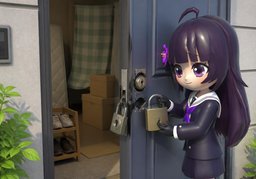
法院判决要求被告归还被强占的房屋。fǎ yuàn pàn jué yāo qiú bèi gào guī huán bèi qiáng zhàn de fáng wū
The court's judgment required the defendant to return the house they had forcibly occupied.
A boundary is crossed when force or pressure makes another person's property or space serve as one's own.
强占私人财产qiáng zhàn sī rén cái chǎn
wrongfully occupy private property
强占他人住房qiáng zhàn tā rén zhù fáng
wrongfully occupy another person's home
侵占qīn zhàn: Taking another person's property without legal right and keeping it as one's own.
占据zhàn jù: Gaining control of a place or thing and occupying it continuously.
占有zhàn yǒu: Keeping property or land in one's possession as one's own.
霸占bà zhàn: Forcibly taking over someone else's place or property and using it alone.
用强力或强制手段非法占有他人财产或场所。yòng qiáng lì huò qiáng zhì shǒu duàn fēi fǎ zhàn yǒu tā rén cái chǎn huò cháng suǒ
强 (qiáng, "strong") + 占 (zhàn, "occupy") joins the idea of strength with taking a place, forming a verb for seizing someone else's property or space by force.