

HSK · Level 69
75 words
Search Chinese words by characters, pinyin or English meaning.
Dictionaries
Quick links
Browse
 MotiSpiOfficial conversation app

Chinese word
Pinyintán
我会弹钢琴。wǒ huì tán gāng qín
I can play the piano.
演出开始前,他在后台弹了一段练习曲。yǎn chū kāi shǐ qián tā zài hòu tái tán le yí duàn liàn xí qǔ
Before the show started, he played an etude backstage.
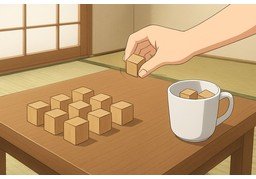
A quick release of pressure makes a string sound or makes an object shoot, spring, or return.
弹钢琴tán gāng qín
play the piano
弹吉他tán jí tā
play the guitar
弹古筝tán gǔ zhēng
play the guzheng
演奏yǎn zòu: Presenting a piece of music through an instrument or the voice.
拉lā: Making a string instrument sound by drawing a bow or pulling its strings by hand.
用手指或工具拨动弦或按动键盘使乐器发出声音。yòng shóu zhǐ huò gōng jù bō dòng xián huò àn dòng jiàn pán shǐ yuè qì fā chū shēng yīn
The character 弹 (tán, "to pluck or play") combines 弓 (gōng, "bow") + 单 (dān, "single"), with 弓 marking tension and release and 单 mainly supplying the sound.