

HSK · Level 24
135 words
Search Chinese words by characters, pinyin or English meaning.
Dictionaries
Quick links
Browse
 MotiSpiOfficial conversation app

Chinese word
Pinyinfèi wù
别当废物了,我们都有事要做。bié dāng fèi wù le wǒ men dōu yǒu shì yào zuò
Don't be a good-for-nothing; we all have things to do.
他曾是废物青年,现在成为公司骨干。tā céng shì fèi wù qīng nián xiàn zài chéng wéi gōng sī gǔ gàn
He used to be a good-for-nothing youth, but now he is a core member of the company.
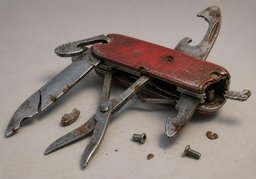
A thing pushed outside the circle of usefulness, with the same image extending to a person judged unable to contribute.
废物青年fèi wù qīng nián
good-for-nothing youth
把自己当作废物bǎ zì jǐ dàng zuò fèi wù
consider oneself a good-for-nothing
称某人为废物chēng mǒu rén wéi fèi wù
call someone a good-for-nothing
废人fèi rén: A strongly contemptuous slang term for a person seen as unable to function in daily or social life.
垃圾lā jī: A spoken insult that treats a person as worthless, like something thrown away.
功能丧失或毫无价值的事物,也可作贬义用来形容无用的人。gōng néng sàng shī huò háo wú jià zhí de shì wù yě kě zuò biǎn yì yòng lái xíng róng wú yòng de rén
废物 (fèiwù, "discarded thing") combines 废 (fèi, "discard") + 物 (wù, "thing"), so the compound first names something rejected for having no use and then extends that label to a person judged useless.