

HSK · Level 66
75 words
Search Chinese words by characters, pinyin or English meaning.
Dictionaries
Quick links
Browse
 MotiSpiOfficial conversation app

Chinese word
Pinyinfèi xū
那座老工厂已经变成了废墟。nà zuò lǎo gōng chǎng yǐ jīng biàn chéng le fèi xū
That old factory is now in ruins.
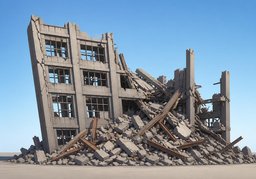
在废墟中可以发现许多旧照片。zài fèi xū zhōng ké yǐ fā xiàn xǔ duō jiù zhào piān
Many old photographs can be found among the ruins.
Broken structures and rubble left behind after a place is destroyed or deserted.
变成废墟biàn chéng fèi xū
become ruins
在废墟中zài fèi xū zhōng
among the ruins
古代废墟gǔ dài fèi xū
ancient ruins
残骸cán hái: Broken pieces and remains left after an object, vehicle, or structure is destroyed.
瓦砾wǎ lì: Stones, bricks, and other broken material scattered after a building collapses.
废屋fèi wū: An old, abandoned house that has become damaged because no one repairs it.
遭到毁坏或被舍弃后留下的建筑残片和地面堆积物,强调破坏后物质上的残余状态。zāo dào huǐ huài huò bèi shě qì hòu liú xià de jiàn zhù cán piàn hé dì miàn duī jī wù qiáng diào pò huài hòu wù zhì shàng de cán yú zhuàng tài
In 废墟 (fèixū, "ruins"), 废 (fèi, "discarded or ruined") describes what is no longer usable and 墟 (xū, "a deserted site") identifies the place where it remains.